Polyaspartic Floor Coating for Your Garage or Concrete Floor
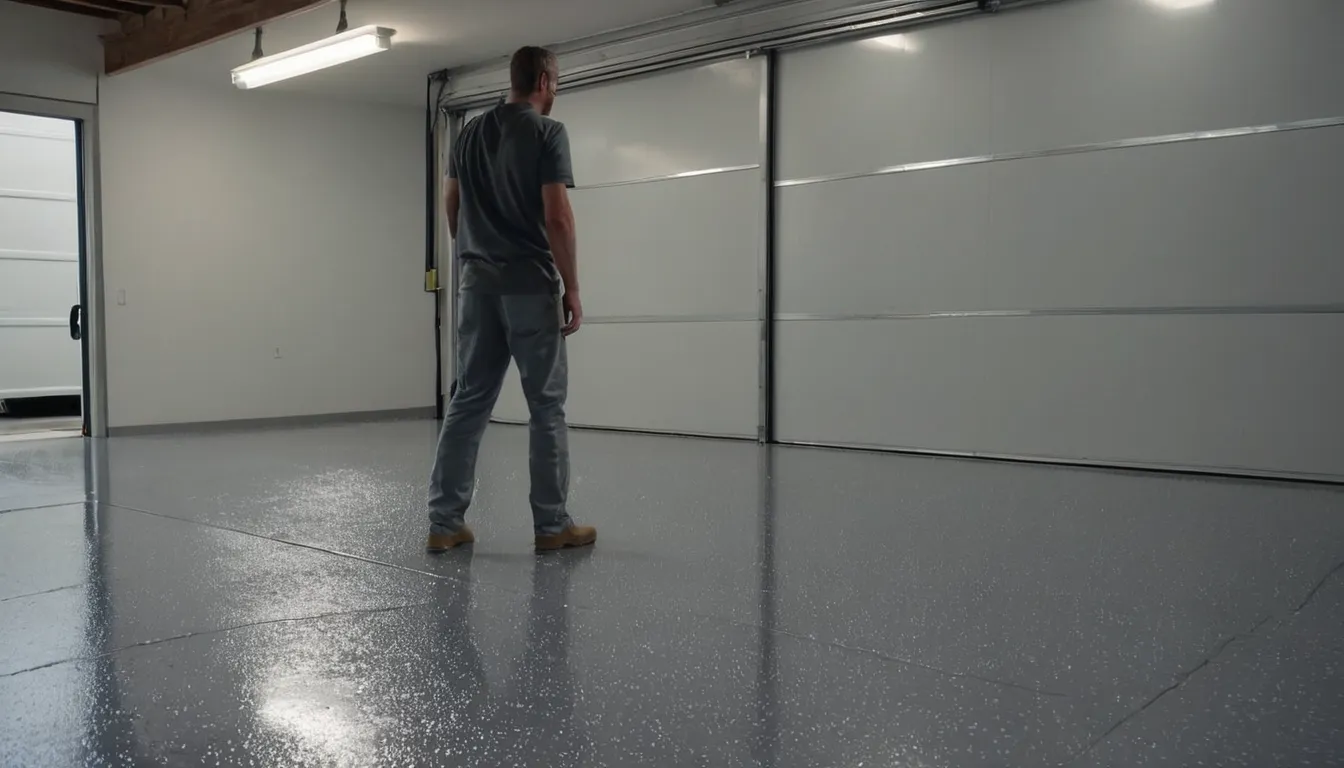
Polyaspartic is a resin that hardens fast. A provider rolls it onto clean, ground concrete. It dries to a hard, glossy skin that resists scuffs, oil and sun. Many garage floors are ready for light use in hours, though timing depends on the product and the weather.
Quoteinstrument Floor Coating is a referral service. We do not coat floors. We connect homeowners in the Bremerton area with independent providers in our network. We also explain your choices in short, simple words. You learn how polyaspartic compares with epoxy, what a hybrid system is, and what daily care keeps the floor looking good. Then you can ask providers for written quotes and pick the plan that fits your home.
Need Your Garage Back Quickly?
Polyaspartic cures fast. "Cure" means the coating hardens all the way. Many floors can take foot traffic in a few hours. Cars often return in a day or so. Real times change with the product, the air and the slab.
Do not treat those numbers as a promise. Ask each provider for a written schedule. Ask when you can walk on it. Ask when you can park on it.
Request a callback to check provider availability in your area.
What Polyaspartic Is
Polyaspartic is a resin. A resin is a thick liquid that turns solid. It belongs to the same family as polyurethane. A provider spreads it over prepared concrete. It sets into a hard, clear or tinted layer.
How It Differs From Epoxy
Epoxy garage floors use a resin that cures slowly. That gives the installer time to work. It also builds a thick, strong film. Polyaspartic cures much faster. It also handles sunlight better. Many epoxy coats turn yellow in strong light. Polyaspartic usually stays clear.
There is a trade-off. Fast cure leaves less working time, so the installer must move quickly. The material often costs more per gallon. Neither product suits every floor.
Full Polyaspartic or Hybrid System?
A full system uses polyaspartic in every layer. A hybrid uses epoxy as the base and polyaspartic as the top coat. Hybrids are common. Epoxy fills tiny pores in the concrete and bonds well. The top coat adds shine and scratch resistance.
- Full system: fewer layers, a quicker return to use, a higher material price.
- Hybrid: a strong base, often a lower price, a slightly longer job.
Ask the provider which one they suggest and why.
How the Work Usually Goes
First, the provider grinds the slab. A diamond grinder scuffs the surface so the coating can grip. Skipping this step is a common reason coatings peel.
Next, cracks and pits get filled. Oil stains get treated. Then the base coat goes down. Colored flakes may be scattered into it while it is wet.
Last, the clear top coat goes on. Then the floor cures. The provider tells you when it is safe to use. Ask about a walk-through before the final payment.
Where Polyaspartic Works Well
It suits garages, workshops, porches, patios and basement floors. It also fits laundry rooms and covered walkways. It only goes on concrete. A wood or tile floor needs a different product.
Some providers also handle hardwood flooring installation inside the house. Ask what each one offers.
Weather and Timing
A long wet season brings damp slabs. Moisture rising through concrete can push a coating up from below. A good provider tests the slab first. Ask how they test it.
Mild temperatures help. Polyaspartic works across a wider range than most epoxy. Still, high humidity and rain blowing in can mar a wet coat. Wind can carry leaves and grit onto the floor. Plan the job for a stretch of calm, dry days if you can.
Moss and damp near the garage door are common here. Ask the provider how the door edge and floor drain will be handled.
Choosing Colors and Flake Blends
Flakes are small colored chips. They add speckle and hide dirt. A full flake blend covers the floor. A light scatter leaves more of the base color showing.
Other custom floor finishes include solid colors, metallic swirls and stripe borders. Ask for a sample board. View it in your own garage light.
A slightly rough texture adds grip for wet shoes. Gloss looks sharp but can feel slick when wet. Pick the grip level on purpose.
Fix It, Then Protect It: Care After Coating
A good coating still needs care. Care after coating is simple.
- Sweep or blow off grit weekly. Grit scratches the surface.
- Mop with mild soap and water. Skip harsh acids.
- Wipe up oil, salt and rain runoff soon after they land.
- Use a doormat at the garage entry to catch gravel.
- Put pads under jack stands and bike kickstands.
- Rinse the door edge to stop moss and damp from building up.
- Check for chips once a season and ask a provider about small touch-ups.
Questions to Ask the Installer
- What system will you use, full or hybrid?
- How will you prep and test my slab?
- What is the cure schedule?
- What does the written quote include?
- How do I care for the floor?
- What does the provider cover if the coating peels? Ask for it in writing.
Ready to Compare Providers?
Plain answers first. Then a written quote you can review without pressure. Request a callback to talk through your floor, or send a request.
What's Included
Surface Prep
Grinding, crack filling and moisture checks so the coating can grip your slab.
Base and Flakes
A tinted base coat, with optional color flakes for speckle and hidden dirt.
Clear Top Coat
A polyaspartic layer that adds shine, scratch resistance and sun stability to the floor.
Cure Plan
A written schedule telling you when to walk on it and park.
Typical Polyaspartic Floor Coating Price Ranges
Prices vary a lot by slab condition, floor size, system and finish. These are typical U.S. ranges, not quotes. Ask each provider for a written quote that lists prep, materials and extras.
| Item | Typical range | Notes |
|---|---|---|
| Full polyaspartic, per square foot | $5 – $12 | Varies by system and slab condition |
| One-car garage | $1,500 – $4,000 | Depends on size and flake choice |
| Two-car garage | $2,500 – $6,500 | Hybrid systems may cost a bit less |
| Crack and pit repair | $200 – $1,000 | Depends on how much damage there is |
| Flake or metallic upgrade | $1 – $4 per sq ft | Adds to the base price |
| Old coating removal | $1 – $3 per sq ft | Needed if the old coat is peeling |
How It Works
Share Your Floor
Tell us about your garage or slab, its size, and any cracks or stains.
Get Matched With Providers
Request a callback or send a request, and a local provider may reach out.
Compare Written Quotes
Check the system, prep, schedule and price on each quote.
Book and Protect It
Choose your provider, then follow their care steps to keep the floor looking good.
Why Call Quoteinstrument Floor Coating
Plain Answers First
You learn how polyaspartic works, and how it differs from epoxy, before you talk to anyone.
Local Providers
Independent providers in our network work in your area and know local weather.
Written Quotes
Ask providers for itemized quotes so you can compare price, prep and schedule.
Care Tips
You get simple upkeep advice so the floor lasts after the job.
Other Services
Need polyaspartic floor coating in Bremerton?
Request a callback to check provider availability, or send the request form. Share your floor size and condition, and a local provider can follow up with a written quote.
No obligationPolyaspartic Floor Coating FAQ
How long does polyaspartic floor coating take to cure?
It cures faster than epoxy. Many floors take foot traffic in a few hours and cars in a day or so. Exact timing depends on the product, humidity and temperature. Ask your provider for a written cure schedule.
Is polyaspartic better than epoxy for a garage floor?
Neither wins every time. Polyaspartic cures faster and resists sun yellowing. Epoxy often costs less and gives a thick base. Many providers combine them in a hybrid system.
Can polyaspartic go over an old coating?
Usually not. Peeling or worn coatings are often ground off first so the new layer can bond. A provider will inspect the floor and explain whether removal is needed before quoting.
Get in touch
Request a callback to check provider availability, or send the request form. Share your floor size and condition, and a local provider can follow up with a written quote.
No obligation