Epoxy Garage Floors for Worn, Stained or Flaking Concrete
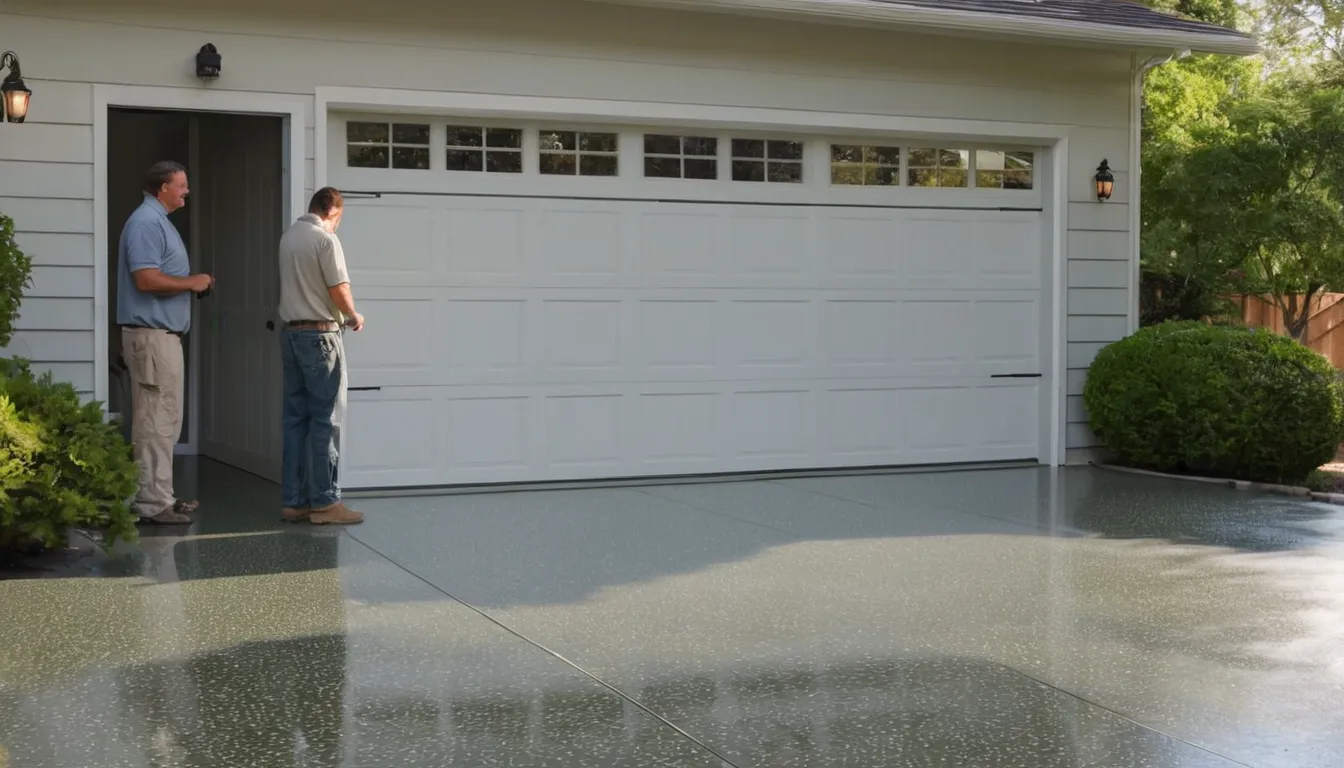
Epoxy is a two-part resin. You mix the parts, spread them on concrete, and they harden into a hard, smooth shell. In a garage, that shell fights oil, road salt, tire marks and damp. It also makes sweeping and mopping much easier.
Quoteinstrument Floor Coating is a referral service. We do not coat floors. We link homeowners in the Bremerton area with independent providers in our network. Plain answers first: this page explains how the work goes, what changes the price, and how to care for the floor after it cures. Fix it, then protect it. A good coating job only pays off if the floor is cleaned and checked the right way afterward. Read on, then request an estimate when you feel ready.
Is Your Garage Floor Getting Worse? Start Here
Look at your slab today. Is concrete dust coming up? Are cracks growing? Is the old paint peeling in sheets? These are signs the floor is losing its fight with moisture and traffic.
A coating can stop that slide. But the order matters. Repair first, coat second, then care for it. Skip a step and the new surface may fail early.
Signs Your Slab Needs Attention
- Chalky dust when you sweep
- Oil stains that soak in and stay
- Hairline cracks or small chips at the edges
- Old paint that lifts or bubbles
- Damp patches after a long run of rain
If you see two or more, a provider should look at the slab before any product goes on.
Why Prep Work Matters More Than the Product
Most coating failures start under the coating. Epoxy needs a clean, rough surface to grip. Providers usually get that with a diamond grinder. This is a machine with a spinning head that scuffs the concrete and removes the weak top layer.
Cracks and chips get filled before the coating goes on. Oil gets cleaned out. A floor that skips this work can peel in a few months, even with pricey material.
Moisture: The Quiet Floor Killer
Concrete is not solid like glass. It has tiny pores, and water vapor can rise through them. In a wet, mild climate with damp soil, this is common. Vapor can push a coating up from below and leave bubbles.
Ask the provider how they test for moisture. Some use a simple sealed-plastic check. Others use a meter. If the slab is too wet, they may suggest a moisture-blocking primer first.
Common Epoxy Floor Systems
There is more than one way to coat a garage. Here are the main choices:
- Solid color: One smooth, even shade. Simple and clean.
- Flake: Colored chips are tossed into wet epoxy. They add grip and hide dirt.
- Metallic: Pigments swirl to make a deep, marbled look. These are popular custom floor finishes.
- Quartz blend: Tiny colored sand is mixed in for a tough, textured surface.
Flake is a common pick for garages. It hides small marks and gives your shoes some bite when wet.
What a Typical Install Looks Like
Most jobs take a few days, though that depends on the provider and the weather. Here is a common order of work:
1. Grind the slab and vacuum the dust. 2. Fill cracks and patch chips. 3. Roll on a primer coat. 4. Apply the epoxy base coat. 5. Add flakes or color, if you chose them. 6. Seal with a clear topcoat.
Each layer needs time to cure, which means to harden fully. Cool, damp air can slow that down. A good provider plans around it.
Topcoats and Sunlight
The topcoat is the clear top layer. It takes the daily wear, like scuffs from boots and tire heat. A good one also adds shine or a softer matte look.
Sunlight matters too. UV rays are the sun's light that fades things. Some epoxy can turn yellow if sun hits it through an open door. Ask which topcoat your provider uses and how it handles UV.
Getting the Garage Ready
A little prep from you saves time on the day. Providers often ask homeowners to:
- Empty the garage, including shelves and wall racks
- Move cars and bikes to the driveway or street
- Clear a path to a hose and a power outlet
- Plan for pets and kids to stay out of the space
- Tell the provider about leaks, drips or past floor repairs
The floor can be walked on lightly after a day or two. Cars usually wait longer. Ask for the exact timing in writing.
Care After Coating
This is where the floor earns its keep. A few easy habits go a long way.
- Sweep or dust-mop weekly to remove grit that scratches.
- Mop with warm water and a mild cleaner each month.
- Wipe up oil, fluids and salty slush soon after they land.
- Skip harsh acids and strong solvents. They can dull the finish.
- Put a mat under the door line where water collects.
In a rainy season, wet tires bring in lots of water and grit. Squeegee the puddles toward the door. Standing water and moss spores like to settle in low spots.
Habits That Wear a New Floor Down
Hot tires can mark a thin coating. Dragging a heavy toolbox can gouge it. Metal jack stands can dent it. Use rubber pads under stands and lift items instead of sliding them.
Check the floor twice a year. Look at the edges, the door line and any seams. Small chips are easier to fix than big peeled patches.
Questions to Ask the Provider
Before you agree to anything, ask these:
- How will you prepare the slab, and with what tools?
- How do you check for moisture?
- Which system and topcoat do you suggest, and why?
- How long before I can walk and park on the floor?
- What care steps do you advise?
- What does the written quote include, and what could change it?
Clear answers are a good sign. Vague ones are a reason to ask again.
Ready for Next Steps
You now know what the work involves. The next move is to compare real quotes from independent providers. Request a callback to check provider availability, or send a request through the form.
What's Included
Slab Prep
Grinding, crack filling and cleaning so the coating can grip the concrete.
Base Coat Choices
Solid color, flake, metallic or quartz blend, picked to suit your garage and use.
Clear Protective Topcoat
A top layer that resists scuffs, stains and wear, with sun exposure in mind.
Care Guidance
Simple cleaning and checkup tips so the finished floor keeps its look.
Typical Epoxy Garage Floor Price Ranges
Prices vary by slab size, damage, system and local rates. These are typical U.S. ranges, not quotes. Ask each provider for a written quote that lists prep, materials and topcoat so you can compare them fairly.
| Item | Typical range | Notes |
|---|---|---|
| Two-car garage, basic epoxy | $1,500 – $3,500 | Solid color with light prep |
| Flake system | $2,500 – $5,000 | Adds grip and hides dirt |
| Metallic finish | $3,500 – $7,000 | More labor and skill needed |
| Crack and chip repair | $200 – $1,000 | Depends on how much damage |
| Moisture-blocking primer | $300 – $1,200 | Used on damp slabs |
| Old coating removal | $500 – $2,000 | Cost grows with thickness |
How It Works
Tell Us Your Needs
Share your garage size, floor problems and the look you want, by phone or form.
Get Matched Locally
We connect you with an independent provider in our network who serves your area.
Review the Written Quote
Check the prep plan, system, topcoat and timing before you say yes.
Coat, Cure, Then Care
The provider does the work. Follow their cure and cleaning advice to keep the floor strong.
Why Call Quoteinstrument Floor Coating
Plain Answers
Each page uses short words and defines trade terms, so you can follow every choice.
Independent Providers
You connect with local providers in our network who do the actual work.
Care Focus
We look past the job to daily upkeep, so the floor lasts.
No Obligation
Ask questions and compare written quotes before you decide on anything at all.
Other Services
Need epoxy garage floors in Bremerton?
Request a callback to check provider availability, or send the request form. Share your floor size and condition, and a local provider can follow up with a written quote.
No obligationEpoxy Garage Floors FAQ
How long does an epoxy garage floor last?
It depends on prep, product and use. Many well-done floors last ten years or more. Sun, hot tires, standing water and rough use can shorten that. Regular cleaning and quick spill care help it last longer.
Can epoxy go over cracked concrete?
Often yes, after repair. A provider fills cracks and patches chips first. Large or growing cracks may point to a deeper slab problem. Ask the provider to look at the cracks in person before quoting.
How long before I can park on a new epoxy floor?
Most floors allow light foot traffic after a day or so. Cars usually need a few days. Cool, damp weather can slow curing, so ask your provider for exact timing in writing.
Get in touch
Request a callback to check provider availability, or send the request form. Share your floor size and condition, and a local provider can follow up with a written quote.
No obligation