Concrete Floor Coating Services for Your Home
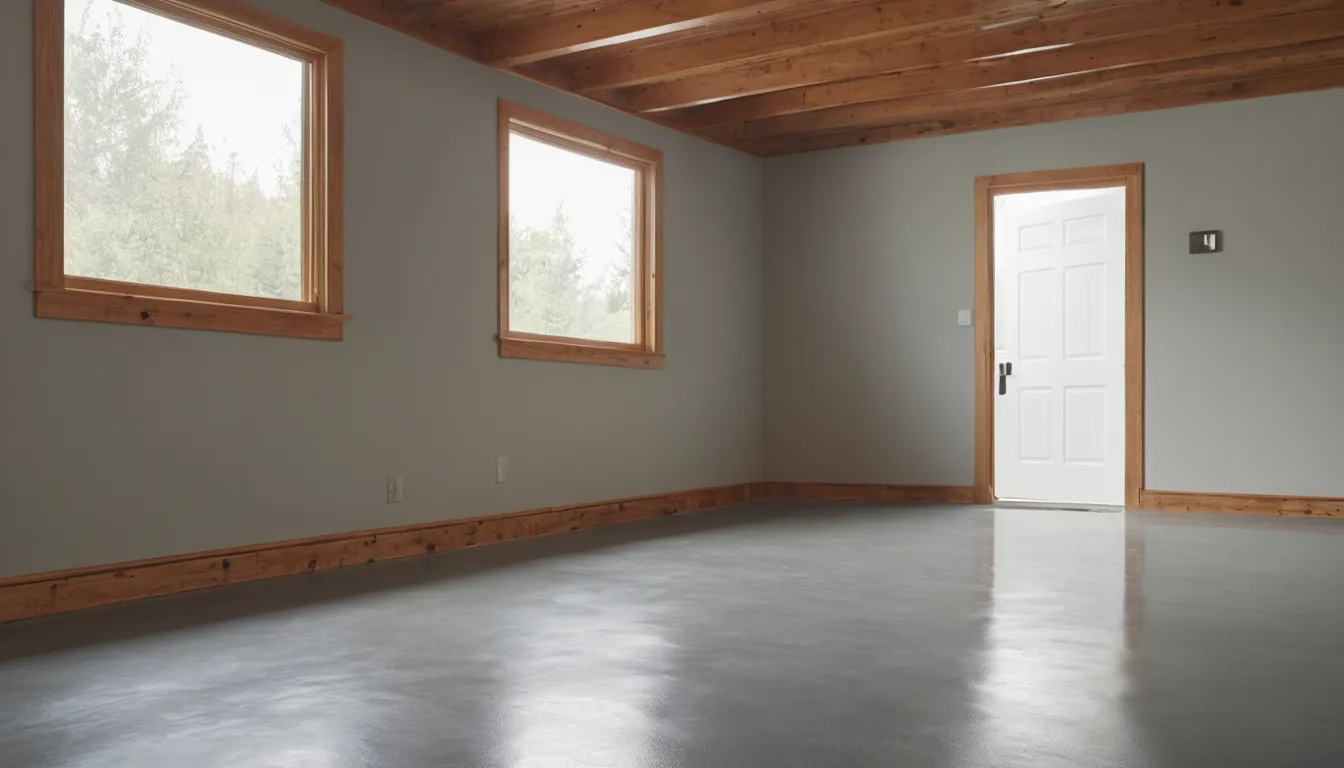
Bare concrete looks tough, but it is full of tiny holes. Water, oil and dirt soak in. Over time the floor turns dusty, stained or cracked. A concrete coating seals those holes and adds a new top layer. It can also add color and grip, which suits basements, patios, porches and workshops.
Quoteinstrument Floor Coating is a referral service. We do not coat floors. We connect homeowners in the Bremerton area with independent providers in our network. This page explains the choices in short words, so you know what to ask before anyone starts work. Fix it, then protect it.
Signs Your Concrete Floor Needs Attention
Start with what you can see. The more signs you spot, the sooner a provider should take a look.
Cracks, Flaking and Pits
Hairline cracks are common. Wide cracks, loose chips and small pits matter more. They let water in. Water then pushes the surface apart from below.
Dust, Stains and Damp Spots
Does the floor shed gray dust? Do oil spots keep coming back? Does a dark patch appear after rain? Each one says the surface is open and soaking things up.
If you see wide cracks or standing damp, request a callback to check provider availability.
Repair the Slab Before You Coat It
A coating is only as good as the surface under it. Paint over a crack and the crack returns. Good providers repair first. They fill cracks, patch pits and then grind the floor. Grinding means sanding the concrete with a heavy machine so the coating can grip. Skip this step and the coating may peel.
Test for Moisture First
Long wet seasons push damp up through slabs. Vapor is water in gas form, and it rises from the soil. It can lift a coating from underneath. Many providers test the slab before they quote. Ask to see the result. If the slab is damp, the provider may suggest a vapor barrier primer or a different finish.
Basement and Lower-Level Floors
Older craftsman houses often have cool, damp basements. A floor there needs a coating that handles moisture and wipes clean. Light colors help a dim room. Also ask the provider about the source of the damp. Gutters, grading outside and cracked walls can undo a new floor.
Patio and Porch Coatings
Outdoor slabs face rain, moss and wind-blown grit. Moss makes concrete slick. Providers can mix fine grit into the top layer for better grip. Ask how the finish handles shade and constant damp. Ask whether steps and edges get covered too.
Workshop and Shop Floors
A shop floor takes spills, dropped tools and rolling loads. Tell the provider what you do there. Mention jacks, solvents and heavy tool chests. Custom floor finishes, such as color flakes, can hide small marks and brighten the room.
Laundry Rooms, Mudrooms and Townhome Slabs
Small rooms get hit by water more than people expect. A coated slab in a laundry room or mudroom wipes clean in minutes. Newer townhomes often have thin, plain slabs. These can take a coating well once the surface is prepared.
Your Coating Choices in Plain Words
- Clear sealer: a thin layer that soaks in or sits on top. It keeps the concrete look.
- Epoxy: a hard, glossy layer made from two parts mixed on site. Epoxy garage floors are one common use, and the same idea works in many rooms.
- Polyaspartic: a plastic coating that cures fast and handles sun well.
- Stain or dye with a clear top coat: adds color without hiding the concrete.
- Flake blends: colored chips that add texture and hide dirt.
Coating or Sealer: What Is the Difference?
A sealer is thin. It slows stains and water but wears away sooner. A coating is thicker. It builds a layer you can see and feel. Pick a sealer for light use. Pick a coating for heavy traffic, bright color or a smoother clean-up.
What Happens on Job Day
Expect a clear order of work. The provider cleans and repairs the floor. Next comes grinding, then primer, then the color coat and a clear top coat. Each layer needs time to dry. Plan to keep pets, cars and foot traffic off until the provider says the floor is ready.
Floors Above the Slab
Some providers also handle other flooring, such as hardwood flooring installation for the rooms upstairs. If you plan both jobs, say so when you ask for a quote.
Care After Coating
The job is not done when the crew leaves. Daily habits decide how long a floor looks good.
Easy Weekly Habits
Sweep or dust-mop often. Grit scratches a coating like sandpaper. Wipe spills soon. Use a mild cleaner, not harsh acid or strong solvents. Set mats at doors to catch wet shoes and gravel.
Yearly Checks
In a damp climate, look at the floor once a year. Check edges, corners and spots near doors. Watch for lifting, chips or new moisture. Small fixes cost less than a full redo. Ask the provider what care plan fits your coating.
Questions to Ask a Provider
- How will you prepare and test my slab?
- What coating do you suggest, and why?
- How many coats will the floor get?
- How long before I can walk on it, and drive on it?
- What does the written quote include?
- What care does the floor need after it cures?
How Quoteinstrument Floor Coating Fits In
Quoteinstrument Floor Coating does not do floor work. We connect you with independent providers in our network. They set their own prices and schedules. Ask each one for a written quote, then compare.
What's Included
Crack and Pit Repair
Providers fill cracks and patch holes first, so the new coating sits on a sound surface.
Surface Grinding
A heavy sander roughens the concrete, so the coating grips and does not peel later.
Color and Texture
Pick solid color, flakes or grit for grip, depending on the room and how you use it.
Clear Top Coat
A final clear layer shields the color from scuffs, spills and wear, and makes the floor easy to wipe.
Typical Concrete Coating Costs
Prices vary by floor size, condition, product and local rates. These are typical U.S. ranges per square foot unless noted. Use them as a rough guide only, and get a written quote from each provider.
| Item | Typical range | Notes |
|---|---|---|
| Clear concrete sealer | $1 – $3 per sq ft | Thin layer. Needs redoing sooner. |
| Epoxy coating | $3 – $12 per sq ft | Price rises with thickness and extras. |
| Polyaspartic coating | $5 – $14 per sq ft | Cures fast. Often costs more than epoxy. |
| Stain or flake finish | $4 – $15 per sq ft | Depends on design and number of layers. |
| Crack and pit repair | $200 – $1,000 per job | Depends on how much damage there is. |
| Moisture barrier primer | $2 – $5 per sq ft | Needed only if the slab tests damp. |
How It Works
Tell Us About Your Floor
Share the room, its size and what is wrong. Request a callback or send the request form to begin.
Get Matched With Providers
We connect you with independent providers in your area who handle this kind of job.
Compare Written Quotes
Check prep steps, products, coats and care advice, not only the price.
Choose and Schedule
Pick your provider and agree on a start date. Then plan your floor care.
Why Call Quoteinstrument Floor Coating
Plain Answers First
We explain coatings in short words, so you know your options before you talk to anyone.
Independent Providers
Local providers in our network do the work, set their own prices and give written quotes.
Care After Coating
We point you to upkeep habits, so the new floor keeps looking good.
No Obligation
Asking questions or requesting an estimate does not commit you to hiring anyone.
Other Services
Need concrete floor coating services in Bremerton?
Request a callback to check provider availability, or send the request form. Share your floor size and condition, and a local provider can follow up with a written quote.
No obligationConcrete Floor Coating Services FAQ
How long does a concrete floor coating last?
It depends on prep, moisture, product and traffic. A well-prepared floor with steady care can last for years. A damp or poorly prepared slab may fail much sooner. Ask each provider what to expect.
Can you coat cracked or damp concrete?
Cracks can be repaired first. Damp slabs need a moisture test and often a vapor barrier primer. A provider should check both before quoting, because skipping these steps often causes peeling.
How long before I can walk on a new coating?
It varies by product and weather. Many coatings need a day or more before foot traffic, and longer before cars or heavy items. The provider will give you the right times for your floor.
Get in touch
Request a callback to check provider availability, or send the request form. Share your floor size and condition, and a local provider can follow up with a written quote.
No obligation